Sonderkommando Kulmhof

Sonderkommando Kulmhof

Contemporary Source

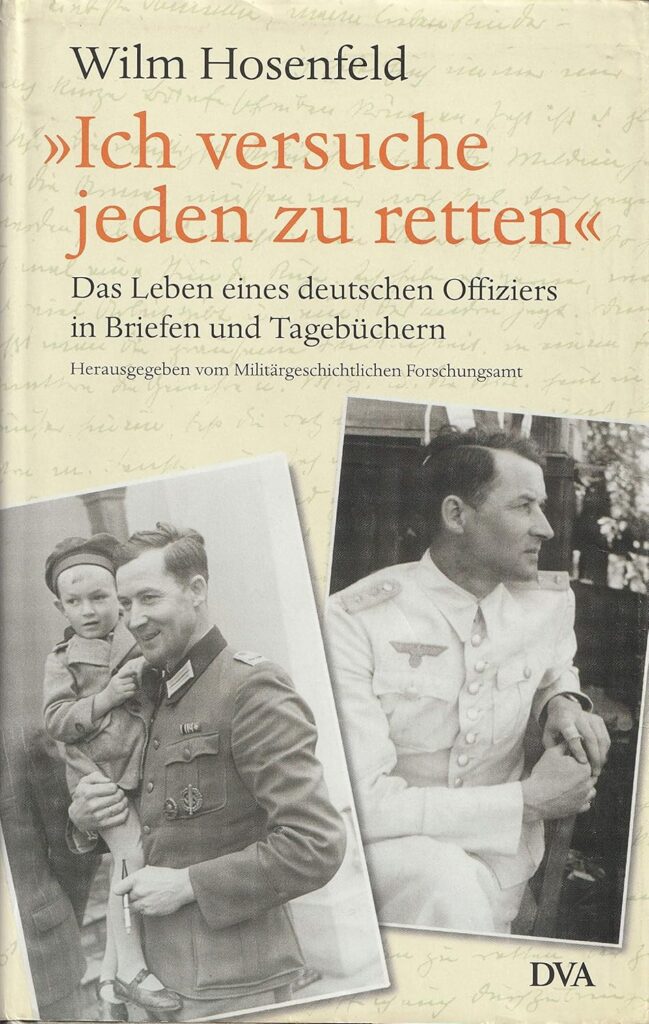
1942-07-23 The Dairy of Wilm Hosenfeld: A Wehrmacht Officer’s Account of Jews Killed by Gas Vans in the Warthegau

Wilm Hosenfeld, a German officer stationed in Warsaw during World War II, recounts in a diary entry of 23 July 1942 the actions of the German occupation, particularly the extermination of Jewish communities in occupied and annexed Polish territories. Hosenfeld learned specifically that “From Litzmannstadt and Kutno, it is said that Jews – men, women, and children – are poisoned in mobile gas vans, their clothes stripped from their corpses, and their bodies thrown into mass graves, with the clothing being sent to textile factories for reuse”.

Contemporary Source

1942-05-23 Ghetto Łódź Administration Supplies Chlorinated Lime and Cement for Sonderkommando Kulmhof’s Special Action

In June and July 1942, the Ghetto Łódź Administration delivered large quantities of chlorinated lime and cement to the Sonderkommando at Kulmhof, according to the invoices addressed to the Secret State Police S[Sonderkommando] and internal correspondence of the administration. The materials were picked up by truck at the loading point at Baluter Ring (Balucki Rynek). For instance , on 21 July 1942 Sonderkommando member Erich Kretschmar confirmed the “receipt of 100 sacks of cement (one hundred) from the warehouse of the Ghetto Administration at Baluterring for the SS special operation”. The chlorinated lime was used to disinfect the mass burial sites, the cement was required for constructing the furnaces used for body disposal.

Note by Luchterhand dated May 23, 1942
Contemporary Source

1942-03-31 Invoice for 5 Barrels of Chlorinated Lime Delivered to Warthbrücken, Near the Kulmhof Extermination Camp (Chełmno)

In March 1942, the Inspector of the Health Service under the Reich Commissary for the Consolidation of German Folk ordered 1,641 kg of chlorinated lime, which was commonly used as a disinfectant. The delivery was processed by Kopernikus Pharmacy in Posen and billed on 31 March 1942. The payment for the shipment, which was unloaded at Warthbrücken, the nearest train station to the Kulmhof extermination camp (Chełmno), was made through the special account of the Ghetto Administration in Litzmannstadt (Łódź Ghetto) through which the extermination camp was funded.

Koppe to Brandt of 28 August 1942 on Furs from Chelmno Kulmhof extermination camp
Contemporary Source

1942-08-28 Letter from Koppe to Brandt on “furs collected during the action in Kulmhof” (Chelmno)

The letter dated 28 August 1942 discusses the transfer of furs confiscated from those murdered in Kulmhof (Chelmno) to the Waffen-SS, a branch of the Nazi military forces. According to the Higher SS and Police Leader in Posen, Wilhelm Koppe, a wagonload of “high-quality furs” had been delivered to Berlin for the benefit of the SS, with expectations of more to follow.

Szlama Winer
Contemporary Source

1942-02-00 Report by Chełmno Escapee Winer on his Experience in the Extermination Camp

Deposition in Yiddish in February 1942 in the Warszaw Ghetto by Szlama Winer aka Jakub Grojnowski. In his account titled “Gvies-eydes funem tsvang-kabren . . .” (Testimony of a forced gravedigger), Winer reports his experiences in the Jewish working detail at the Chełmno (Kulmhof) extermination camp . Winer was deported from Izbica Kujawska to Chełmno on January 5, 1942 but managed to escape the camp on January 19, 1942.

Post-War Testimony

Testimony of Freigang, Adele on Kulmhof (Chełmno) Extermination Camp (16 April, 1962)

On April 16, 1962, Adele Freigang, former resident of the village Chełmno nad Nerem (Kulmhof), provided a detailed testimony to West-German investigators . In autumn 1941, Freigang heard rumors of a Gestapo commando in Kulmhof, which later seized several key buildings. Reports surfaced about transports of Jewish people, initially believed to be going through a transit camp but later revealed to be destined for extermination. The victims were killed in gas vans, and their bodies disposed of in the nearby forest.

Contemporary Source

1942-03-09 Invoice for “8 Barrels of 100 kg Chlorinated Lime” for Chelmno Extermination Camp

On 8 March 1942, the F. Reichelt Aktiengesellschaft Litzmannstadt, a Pharmaceutical Company, issued an invoice to the Ghetto Administration in Lodz for “8 barrels of 100 kg chlorinated lime”. The bill was paid on May 7, 1942 from the special account 12300, suggesting that the materials were supplied to Chelmno extermination camp for desinfecting the mass grave in the forest camp.

Contemporary Source

1943-08-13 Letter from Plate to Gestapo Litzmannstadt confirming “the rental shortfall of the district gardening grounds used by the SS-Sonderkommando in Kulmhof (Chełmno)”

Albert Plate, deputy commander of Kulmhof extermination camp, confirmed the correctness of the claim by Walter Becht, Disctrict Administrator of Warthbrücken (Koło) for reimbursement of lease loss for the district gardening ground next to the Kulmhof castle. The letter was sent on August 13, 1943, with the field post number of the Feldgendarmerie-Trupp 7 of SS-Freiwilligen-Gebirgs-Division Prinz Eugen.

Scroll to Top